Port Elliot and Victor Harbor

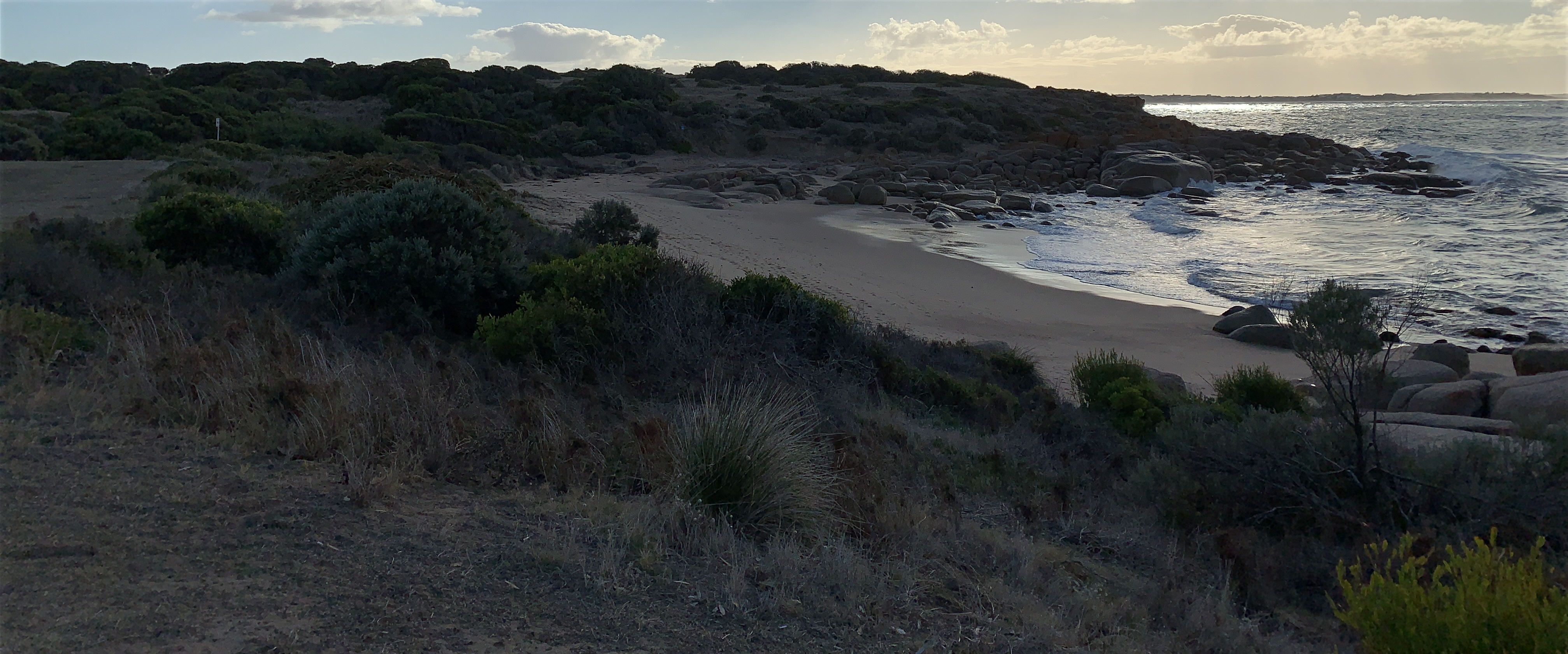
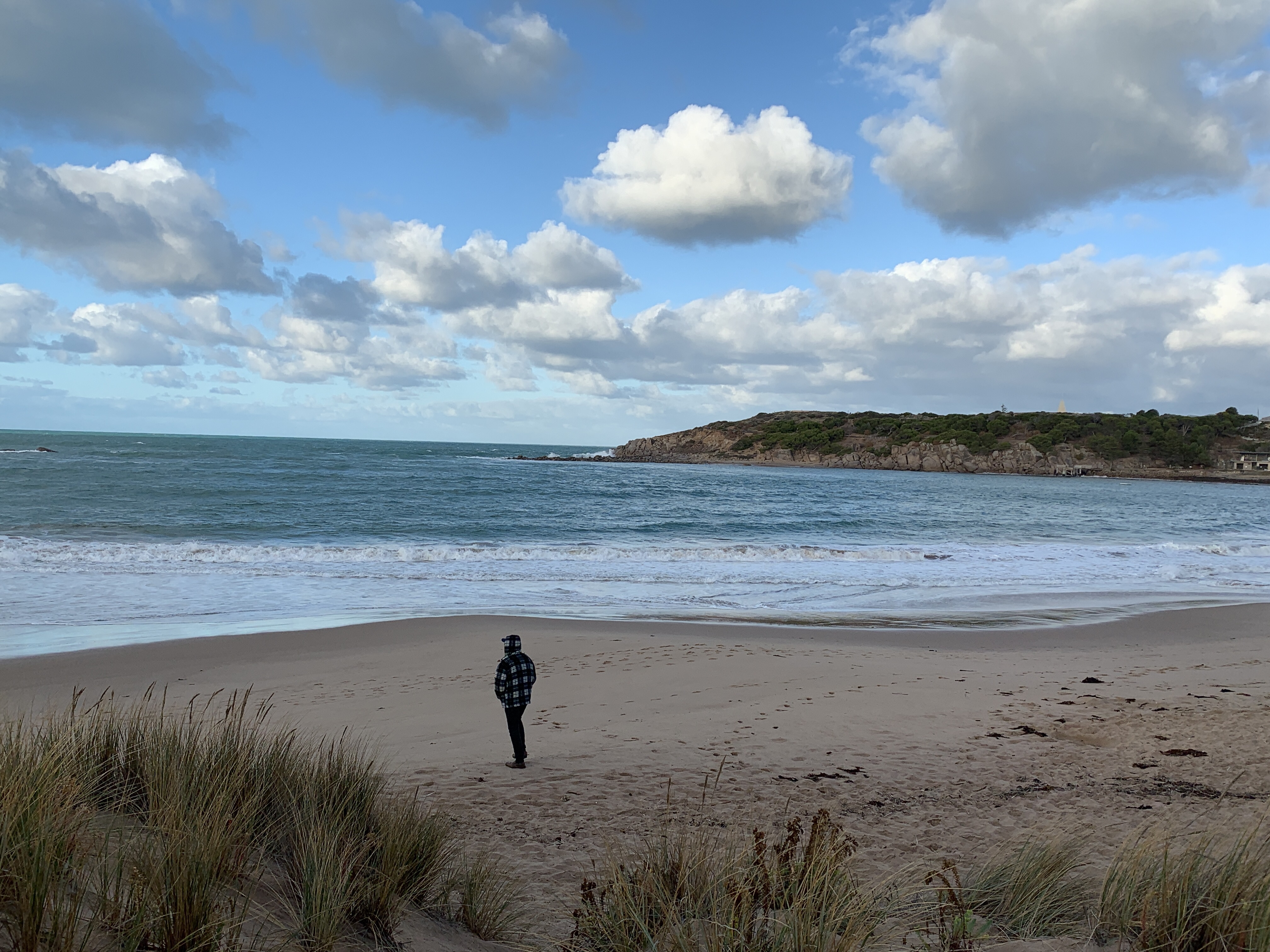
We camped at the Big4 Breeze Holiday Park in Port Elliot on a powered site. The cost for this was $40 per night. The park is a very large spacious one with lots of flat grassy and sandy sites. It has direct beach access to two beaches with the small Crockery Bay on one end and the larger Horseshoe Bay on the other side. This park has all the usual Big4 amenities such as a large children’s playground including a jumping pillow. There is an excellent Camp Kitchen with very clean stainless steel BBQ’s and a vegetable garden with lots of herbs for guests to pick and use. The park has some cabins and lots of shady trees. We don’t usually stay in caravan parks however we would recommend this one, although it would probably be packed in the school holidays.

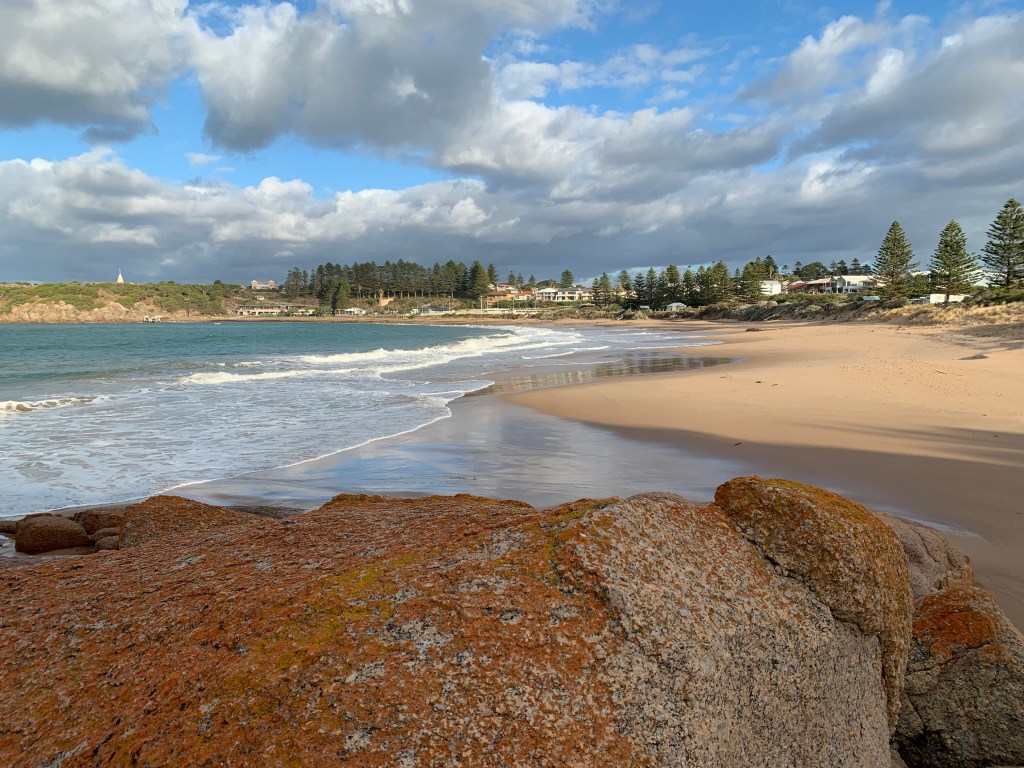
Port Elliot is situated on Horseshoe Bay. A port was established here to provide a safe seaport for the Murray River trade which terminated at Goolwa. The mouth of the Murray was considered too treacherous and unpredictable for safe passage so goods and passengers were transported between Goolwa and Port Elliot on the first public railway built in Australia in 1854.

The railway was extended to Victor Harbor in 1864 after a number of disastrous shipwrecks in Horseshoe Bay and Victor Harbor provided a safer port.

Today Port Elliot is a quiet town, home to many ‘sea-change retirees’ and is a popular holiday destination for Adelaide dwellers with the main attraction being that beautiful big beach. I love these little old historic towns with their mix of historic stone buildings amongst the modern ones.

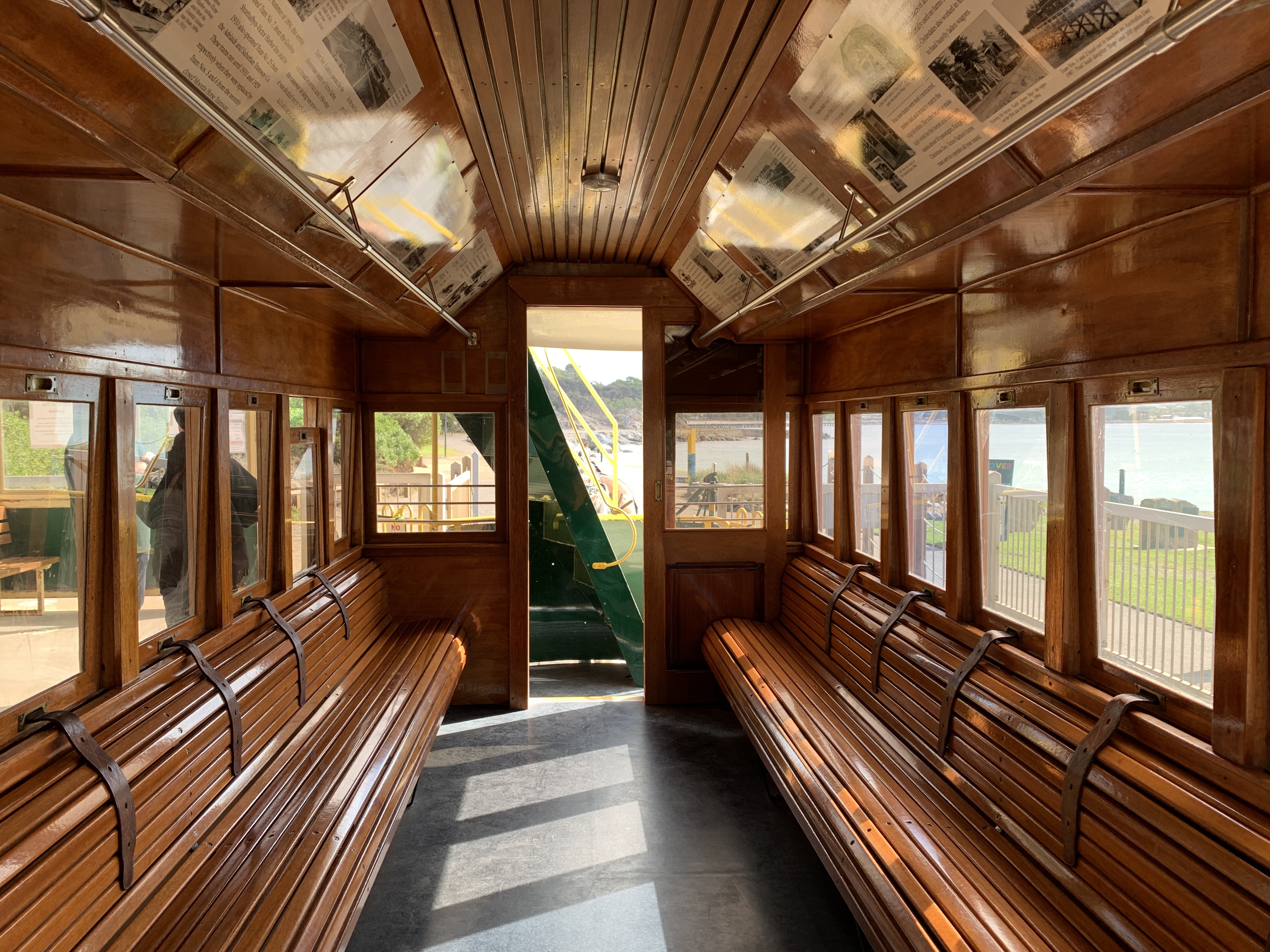
Only a few kilometres further along the coast is the historic Victor Harbor. Another beachside town with spectacular beaches. A highlight of a visit to ‘Victor’ is a ride on the Granite Island Tram. This is a horse drawn tram that takes passengers across the timber causeway to Granite Island. A Clydesdale horse pulls the historic tram and we thoroughly enjoyed our ride. We sat up the top in the sunshine and listened to those huge feet clopping along.

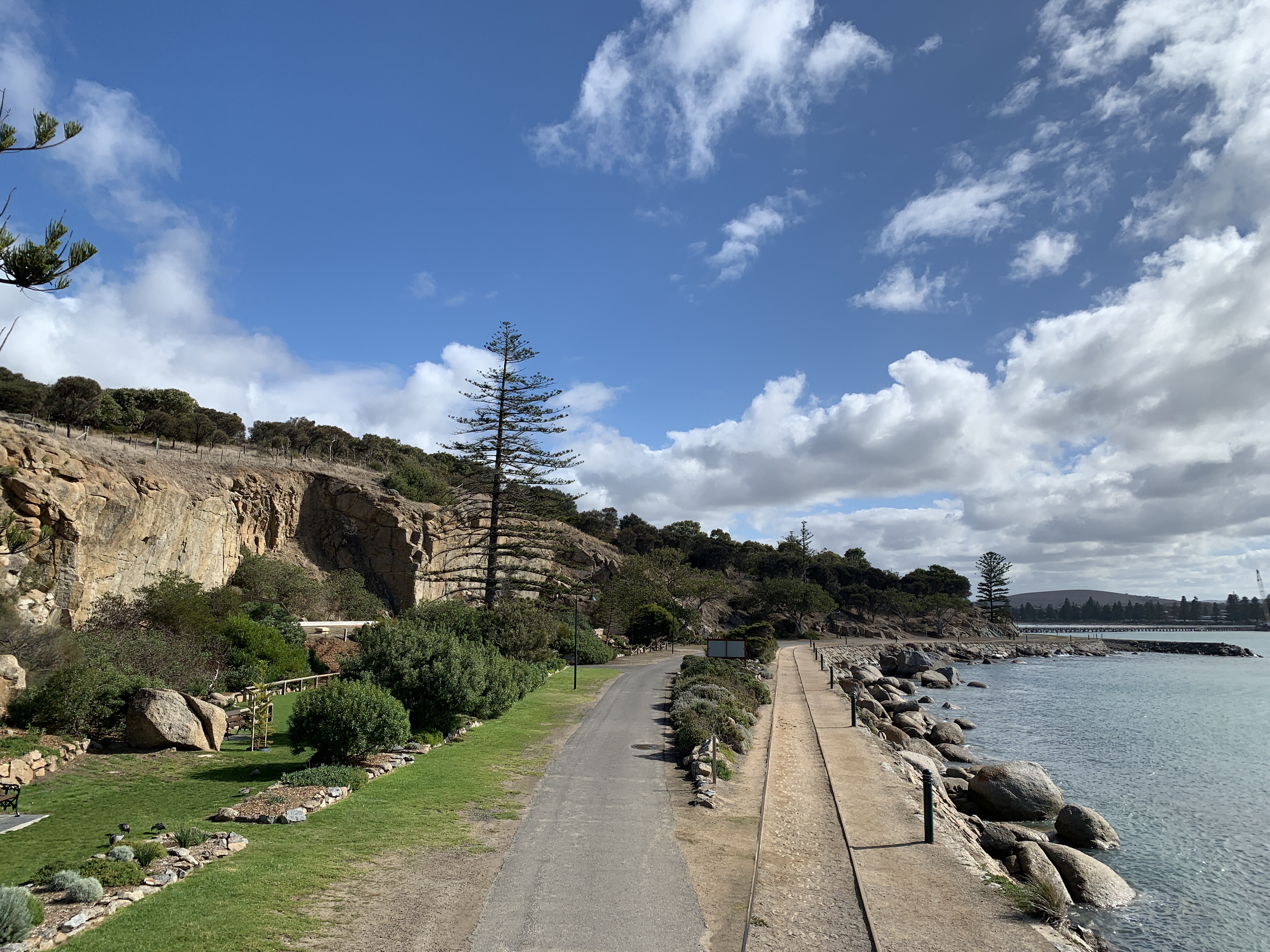
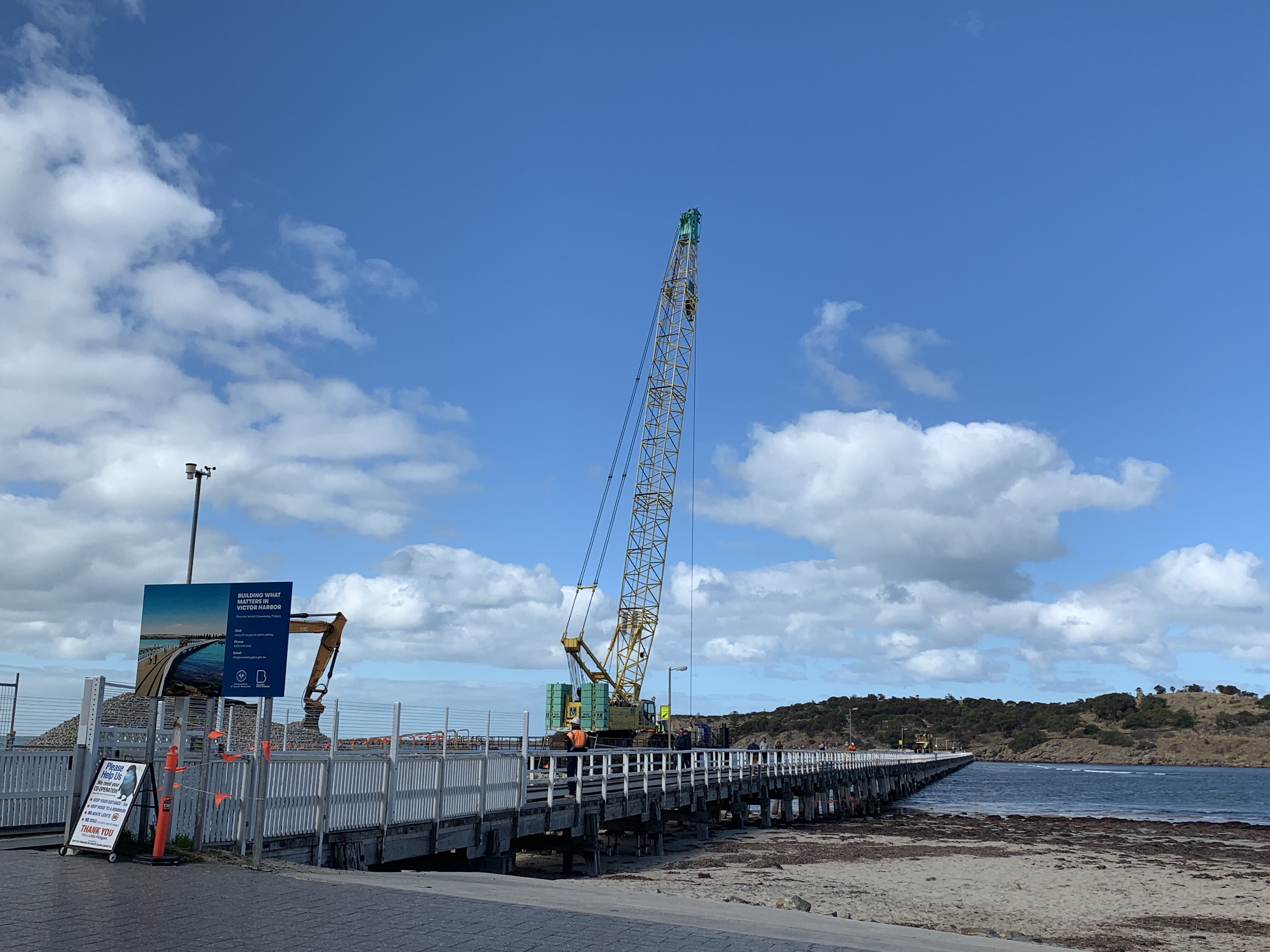
The timber causeway was built in 1875 and the tram went backwards and forwards transporting goods from the railway from Goolwa out to the waiting ships at Granite Island. By the1880’s 25,000 bales of wool were being transported down the Darling, Murrumbidgee and Murray Rivers by paddle steamers then by train from Goolwa to Port Victor and from there by ship around the world. As the river trade ended the Victor Harbor tram became a passenger tram and has been ferrying holiday makers to and from Granite Island since1894.

A huge redevelopment of the causeway is currently underway with a new causeway being built alongside the old timber one which will eventually be removed. I’m glad we got to ride across the old timber one while it was still there.

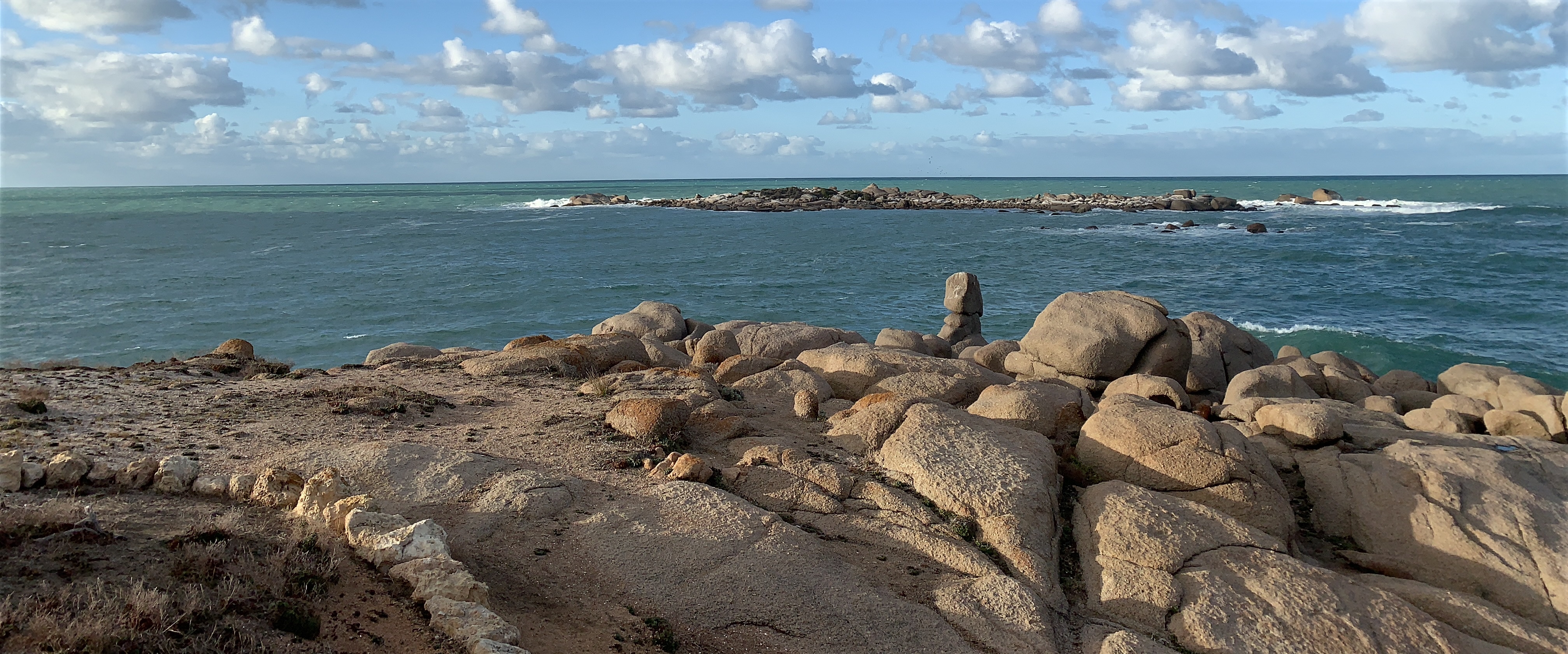
Granite Island is home to a colony of Little Penguins although a very bad storm a couple of years ago decimated the colony. Numbers are slowly growing again and you can do an evening tour to view these charming little creatures. Granite Island is 62 acres of huge granite boulders, many tinged with orange lichen. There are walking trails and a Sculpture Walk includes 10 sculptures. We saw one of those of a sea lion from the tram as we clopped along. It looked like a real sea lion lying on top of a boulder. Between May and October Granite Island is a popular spot for whale watching. Southern Right Whales are a common sighting. Camping is not permitted on the island nor are dogs allowed due to the Little Penguin colony.

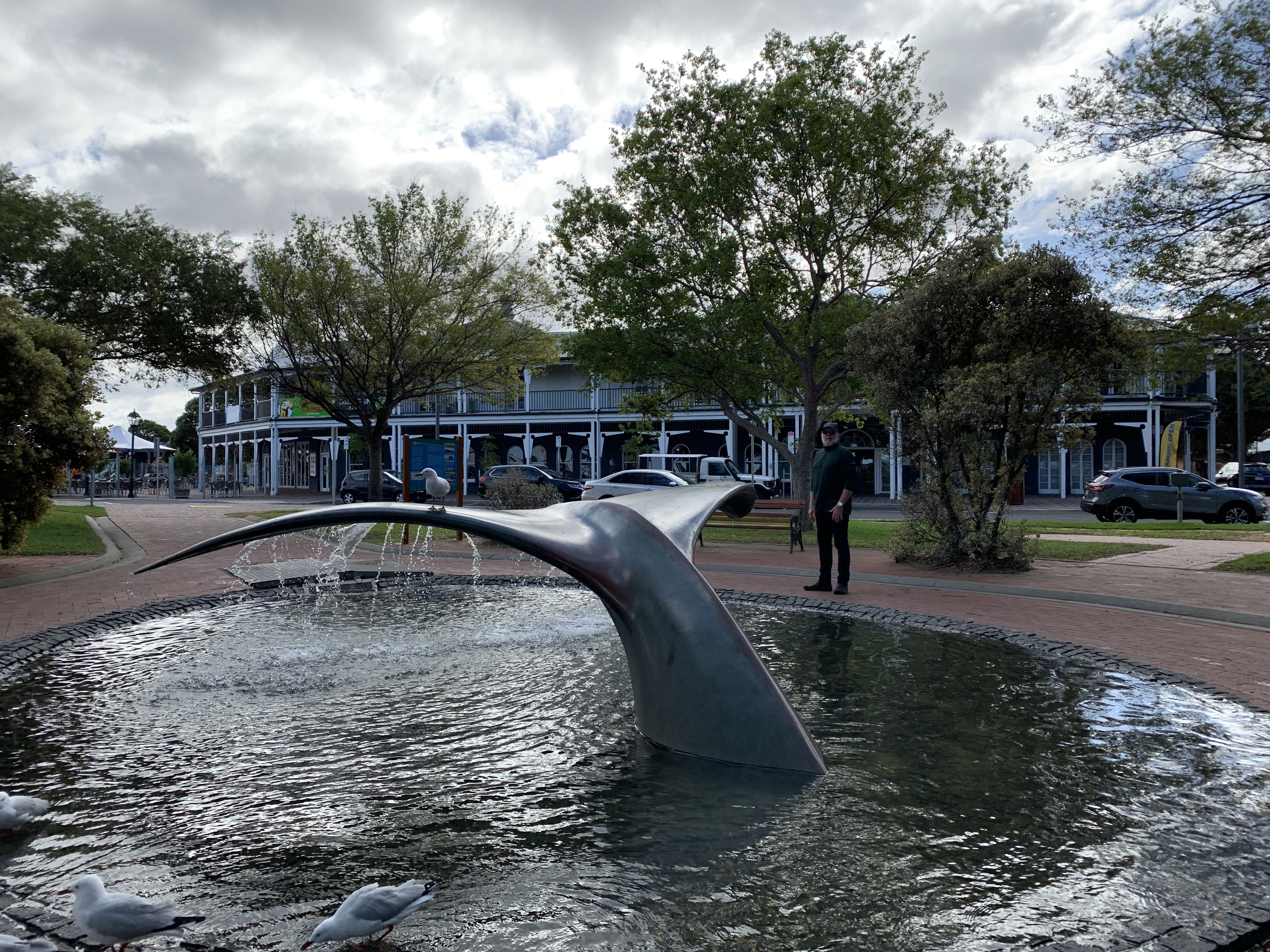
The centre of Victor Harbor also houses other historic buildings such as the Railway Goods Shed built in 1864 and Customs House which is now a National Trust Museum, built in1866. In the park nearby is a large water feature that includes a sculpture of a whale tail. The busy Main Street has been pedestrianised and houses the usual stores. We stopped for lunch at a popular Victor Harbor icon Nino’s Cafe and we were not disappointed with our lovely lunch. Nino’s Cafe has been dishing up delicious meals since 1974.

We ended our day by traveling back to Hindmarsh Island where we found a camp at the Hindmarsh Island Caravan Park for $25 for a flat, grassy powered site. We only have a short distance to go across the bridge to the Goolwa Wharf in the morning to catch our cruise of the Coorong.

Historic Goolwa

The historic river port of Goolwa began life as Goolawa, an Aboriginal word meaning elbow or bend. Goolwa was first settled by white men in 1841 and proclaimed a River Port in 1857. Goolwa was the centre for transport and trade between South Australia and the eastern colonies. The town is situated on both fresh and salt water as it is the last town on the river before it meets to sea.

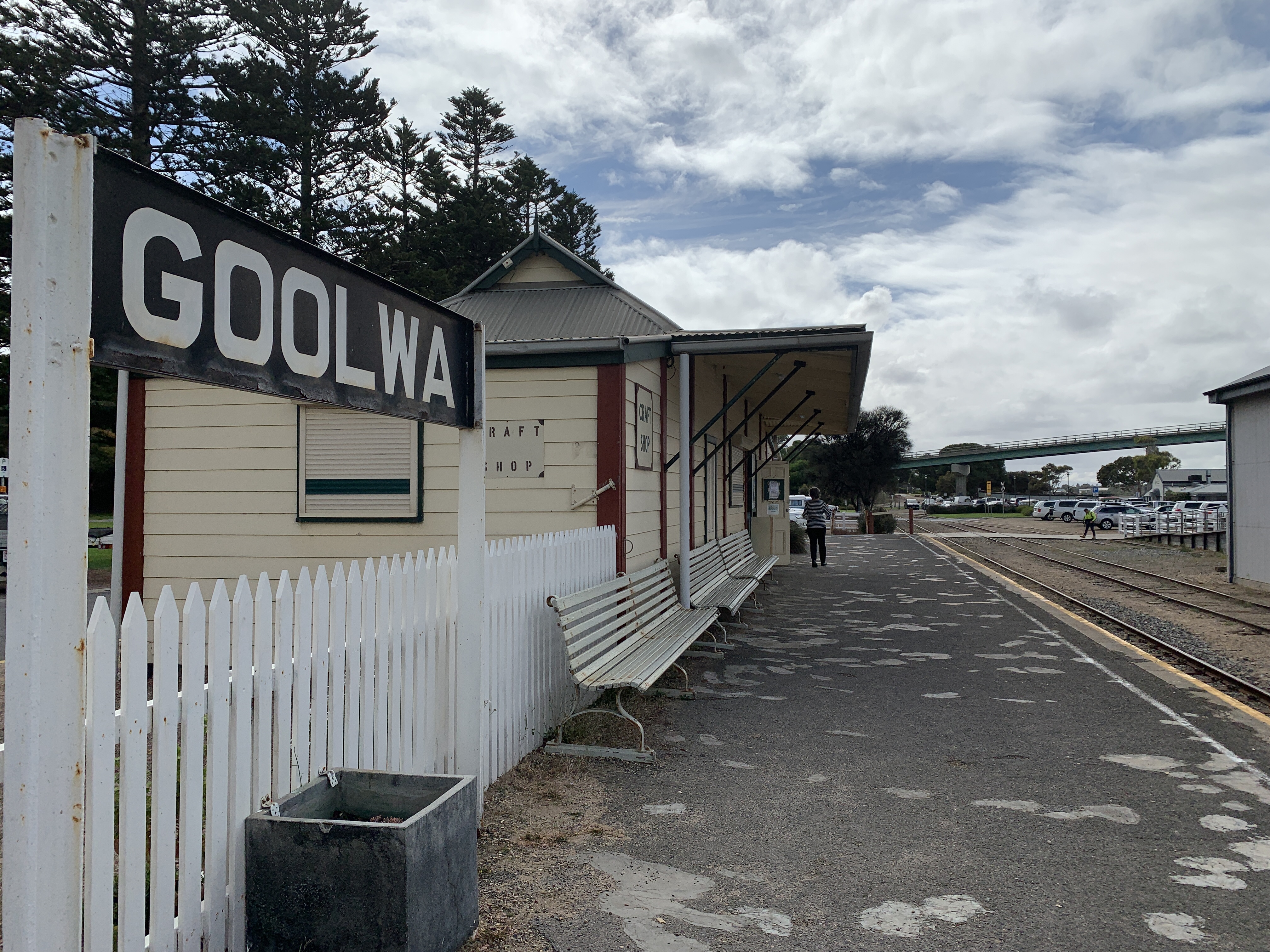
Goolwa was the very first port on the Murray River and the first to engage in shipbuilding and repairs. Goolwa has another couple of firsts including the first public railway in Australia built between Goolwa and Port Elliot in 1854 and the first yacht club in Australia was established in Goolwa in 1854.

Goolwa was once an option to be the capital of South Australia and was the first Australian town to be granted Cittaslow status in 2007. Cittaslow is an organisation founded in Italy and inspired by the slow food movement. Its goals include improving the quality of life in towns by slowing down its overall pace especially in the use of spaces and the flow of life and traffic through them.

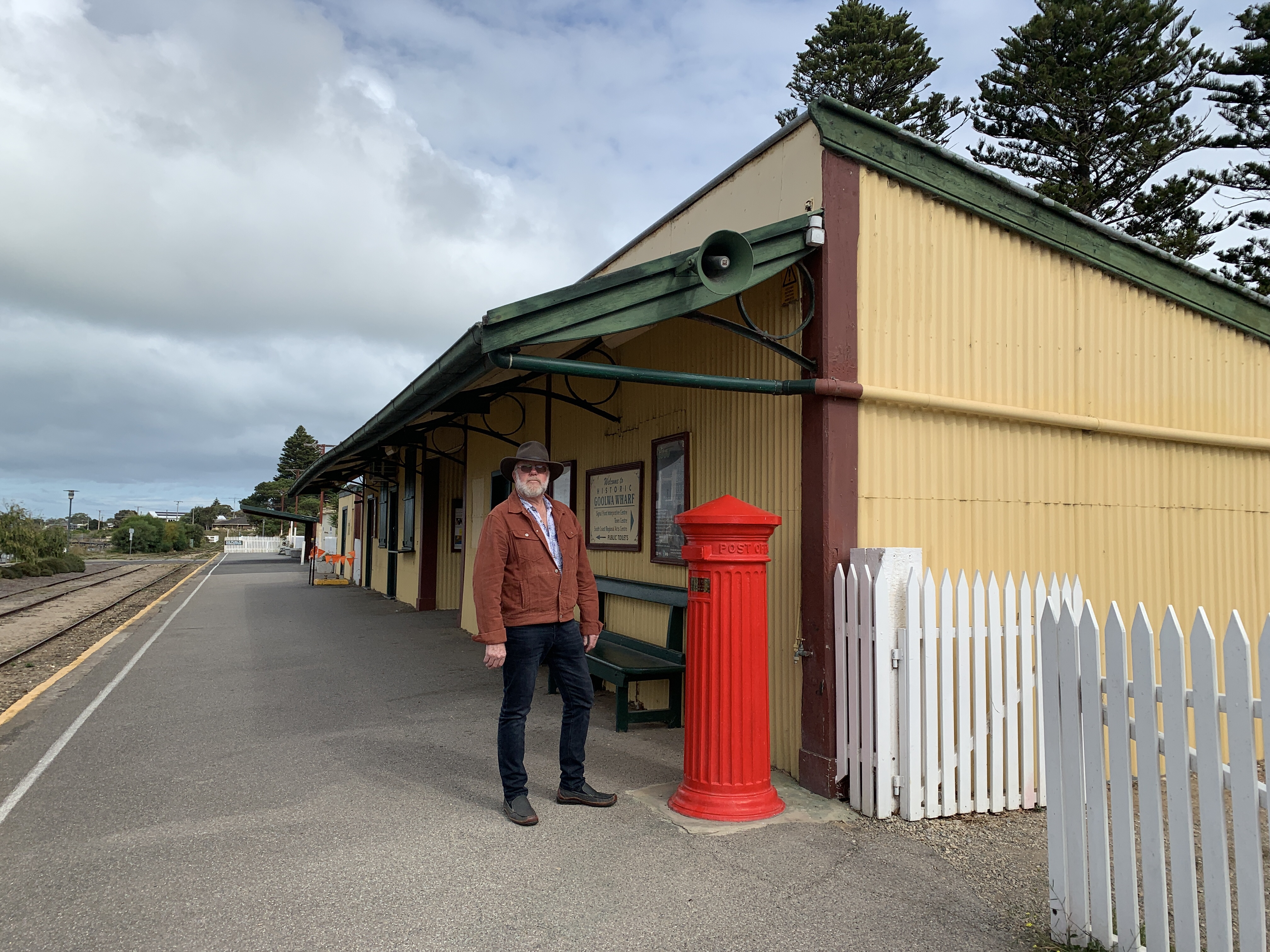
The historic Goolwa Wharf precinct provides great views of the Murray River and the Hindmarsh Island Bridge towers above. From the wharf you can ride a paddle steamer, take a cruise through the Coorong and learn more about the river trade at the Goolwa River Boat Centre. You can watch heritage trains go by or sample a drop at the brewery or wine at the cellar door. There is also a great looking cafe however it is closed on Mondays and Tuesdays.

The wharf is the home mooring for the historic paddle steamer the PS Oscar W built in Echuca in 1908 and it regularly takes visitors on 1 hour cruises up and down the river as it chugs along.

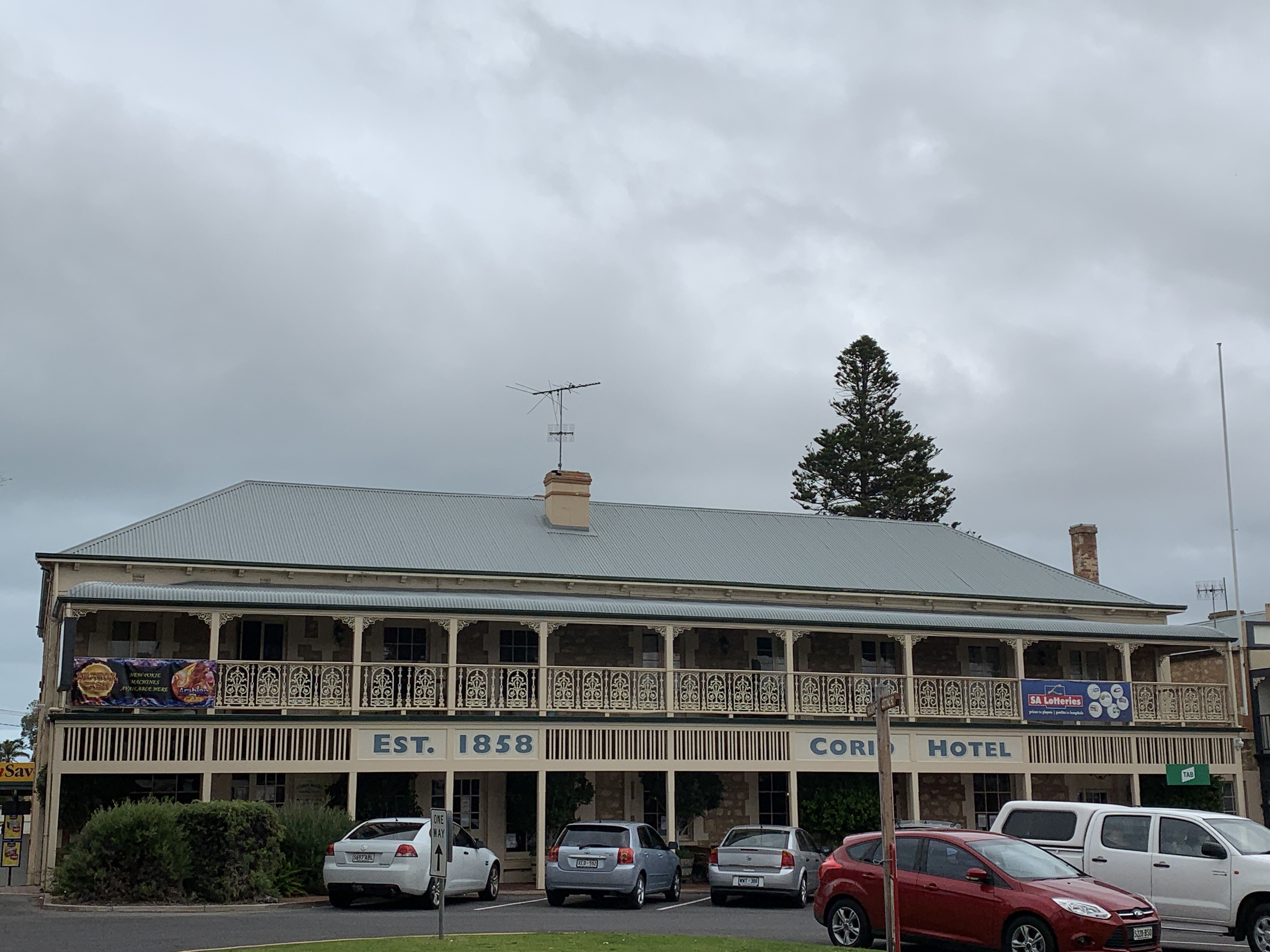
Not far from the historic Wharf Precint is the Goolwa Visitors Centre and right next door is the RSL Club which is housed in the historic Goolwa Railway Horse Stables building. It was built to house the railway horses in 1862 by local builder William Ray who had also constructed the Corio Hotel across the road in 1857. Horses were only used up until 1885 when steam locomotives had taken over and all the horses, tack and harnesses were sold. The building was purchased by the RSL in 1946 and renovated to become the current RSL Club.

On the other side of the road is another piece of history in the Goolwa Customs House built in 1859. William Ray was again the builder. It is a lovely stone building complete with offices and a residence. The Customs House was the chief collector of revenue for the government right up until 1894. The buildings were later used as the residence for the Railway Stationmaster and since 1983 has been owned by the local community.

We spent a couple of hours exploring this lovely part of Goolwa and have booked a 6 hour cruise, including lunch, on the Spirit of the Coorong to learn more about this amazing part of the world.

Mannum to Goolwa and the Mouth of the Murray

After completing a fabulous 4 night cruise on the PS Murray Princess we had a couple of days chilling out in Mannum before heading south on our Murray River run from Albury to the Mouth of the Murray.

Mannum is a lovely little town, population 3,000 and is known as the houseboat capital of Australia. We went for a ride on our ebikes around the town and discovered an whole marina development with hundreds of houseboats and other vessels. There were some very lovely homes in that area too many with rear access to the water and their own private jetties.

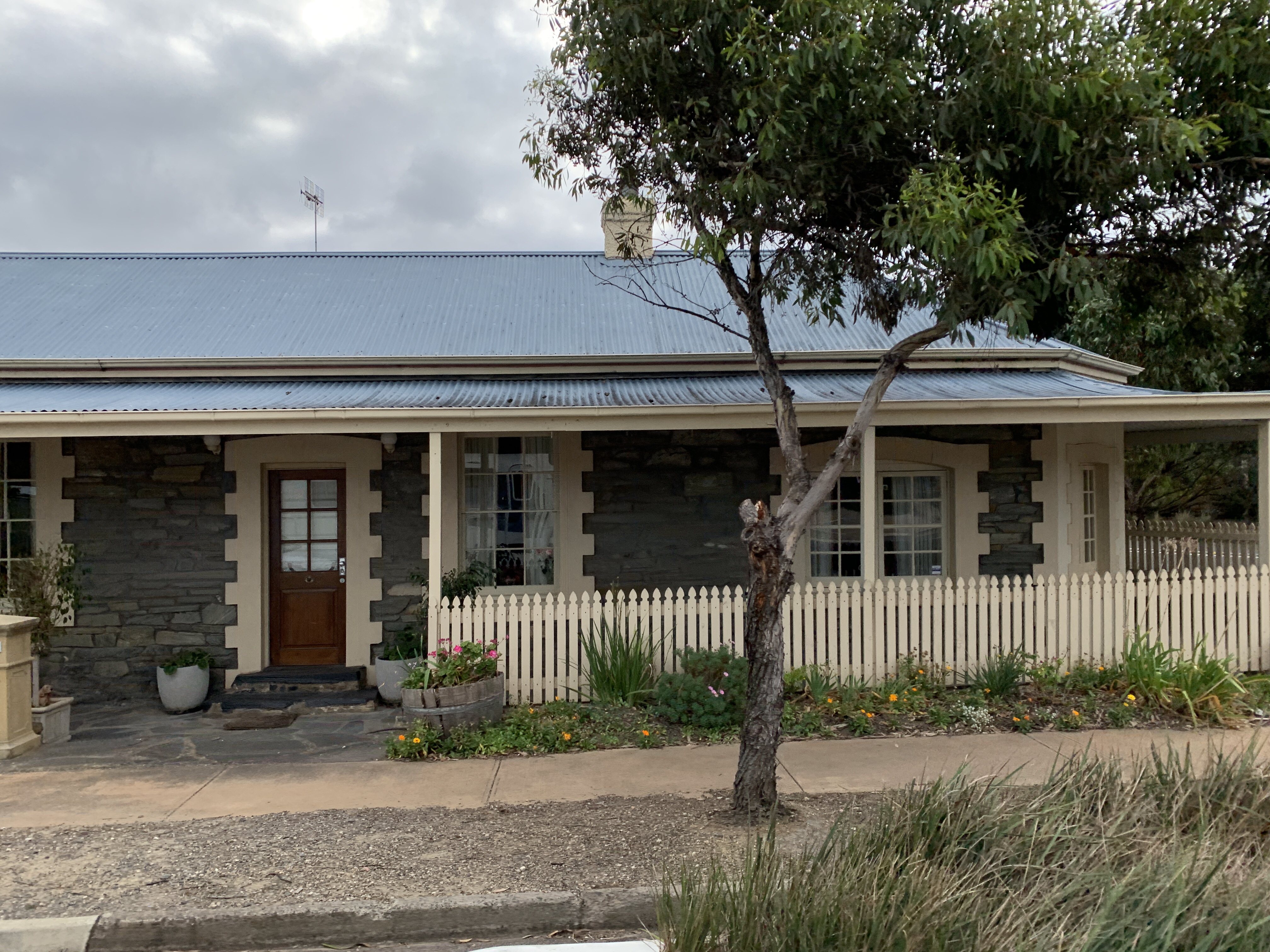
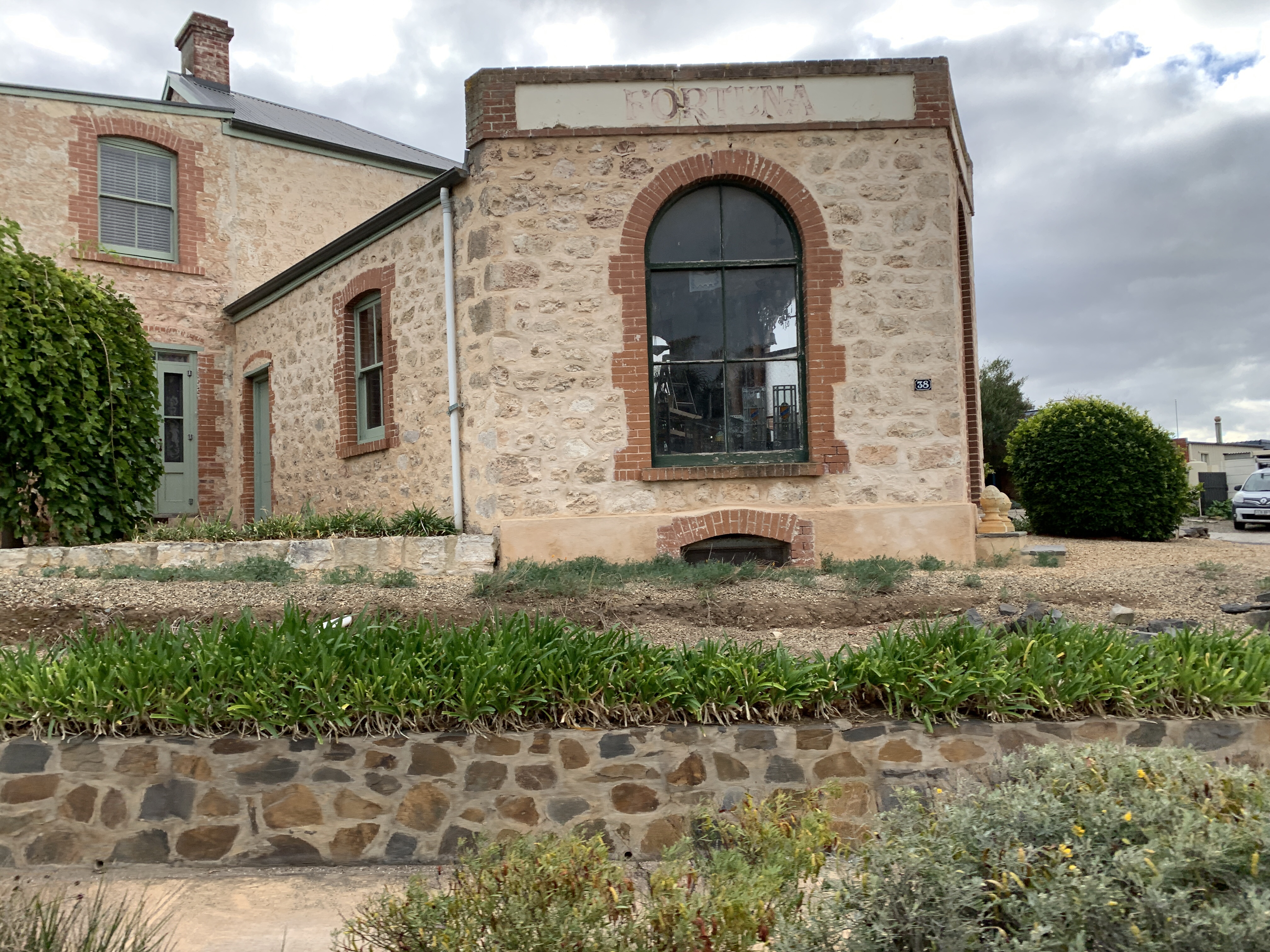
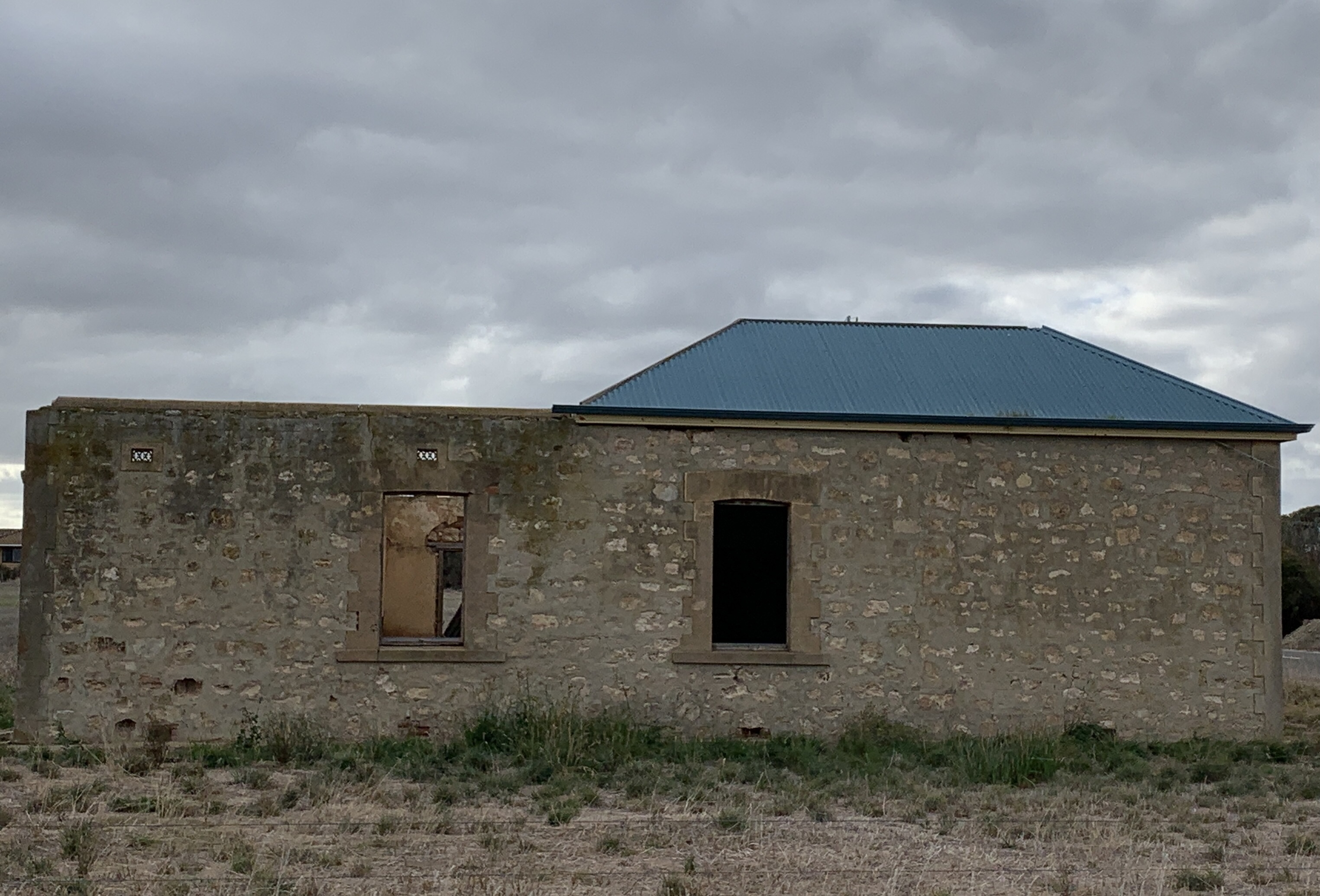
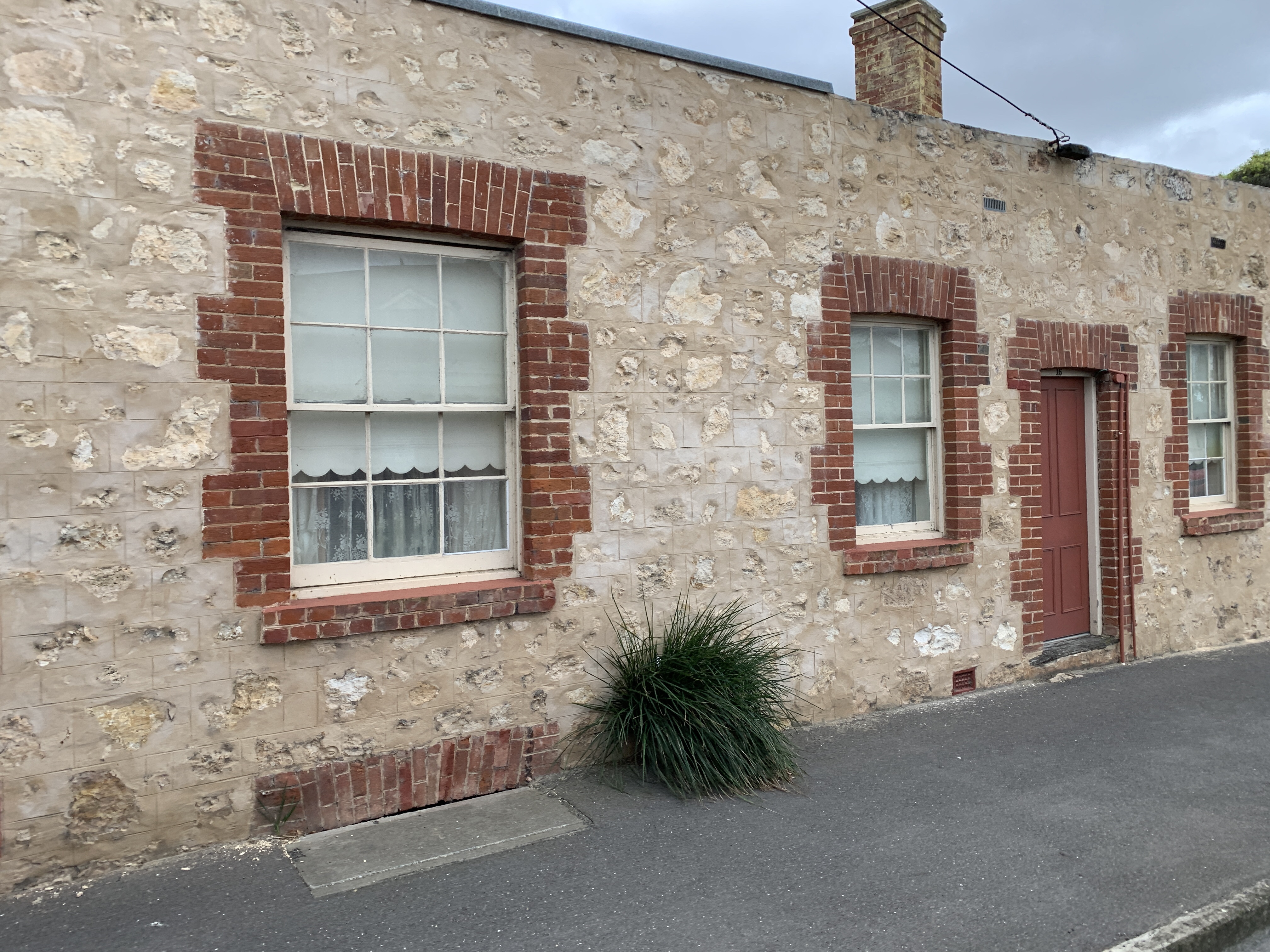
Of course, being an old river port, there are also little old houses constructed from stone scattered amongst the newer dwellings. These stone houses are the same style we have seen all along the river and most date back to the 1800’s. I do love to see those that have been restored and are obviously well cared for. We have seen a few derelict ones on our journey.

Mannum Information Centre is housed in an old wharf building that is also home to the Mannum Dock Museum. This wonderful little museum was opened in 2001 and includes the PS Marion, PW Mayflower, the historic Randell Dry Dock (the last serviving dry dock from the 1800’s), a steam engine display, and an excellent interactive display of river life. Children would love this interactive display where they could pretend to be the captain of a river boat and fire up the boiler, pull the whistle, steer the boat along the river and communicate with other crew. They could also learn to tie the various knots that the rivermen used.

A nationally acclaimed exhibition called Women of the River was also on display and featured stories of 19 women from the mid 1800’s to today is on show in one of the rooms. I was staggered by the hardship these pioneer river and farming women had to endure. Mostly along with have lots of children!

I recommend the Mannum Dock Museuam to any visitors to the town. It was definitely a highlight for us.

There are a couple of pubs and one Community Club in the Main Street and we had dinner one night in the beer garden of the Pretoria. The beer garden goes all the way to the river edge where a large houseboat had moored up. The Pretoria is a great pub with terrific pub food.

Mannum has a couple of supermarkets, bakeries, chemists and all the usual shops. As we were there on the first Sunday of the month we were able to go to the markets held in Arnold Park near the ferries. It was the usual eclectic mix of smallholders and we purchased some lovely fresh bread.

Continuing our journey along the Murray we left Mannum via the ferry heading to Goolwa. We crossed the river on a ferry again at Wellington and had a lunch stop at Murray Bridge.

Murray Bridge is a large town on the banks of the river and, as you would expect, there is a big bridge across the river. Murray Bridge is less than an hour from Adelaide and is a popular destination for those wanting to escape the city for some house boating, water sports, swimming and fishing.

We pulled up in a carpark for long vehicles in a large park alongside the river. The Sturt Reserve is a large park along the river and is home to some historic railway carriages, the Rowing Club, the RSL club, a restaurant, skate park, go-karts, and an adventure playground. It is also home to a cave wherein lies a Bunyip. Kids would love this. You have to press a button and the bunyip rises out of his pond making scary growling noises. There is a story board alongside with the Aboriginal origin of the Bunyip legend. It was considered dangerous to go to the river on your own and catching more fish than you can eat was unacceptable too so the bunyip legend was created to frighten children to prevent them from doing those.

We continued our journey through the Langhorne Creek wine area where we were surrounded by vineyards, on along the shores of Lake Alexandrina to the tiny town of Milang and on to Point Sturt. Point Sturt is on a long peninsula with Lake Alexandrina on both sides. Here we free camped with the big sky above us and twinkling lights of towns across the lake.

We arrived in Goolwa to find it is a large town on the riverside and is joined to Hindmarsh Island by a bridge. The Greater Goolwa area, including Victor Harbour, has a population of almost 30,000 people. After crossing the huge bridge over to Hindmarsh Island we found our way to the lookout for the Mouth of the Murray. We’d reached our goal of traveling along the mighty Murray River from Albury to the mouth. There it was with a huge sand dredge sitting in it. The wind was blowing strongly from across the Southern Ocean and causing white caps on the river. We have booked a cruise on the Spirit of the Coorong so we can learn more about this amazing part of Australia.